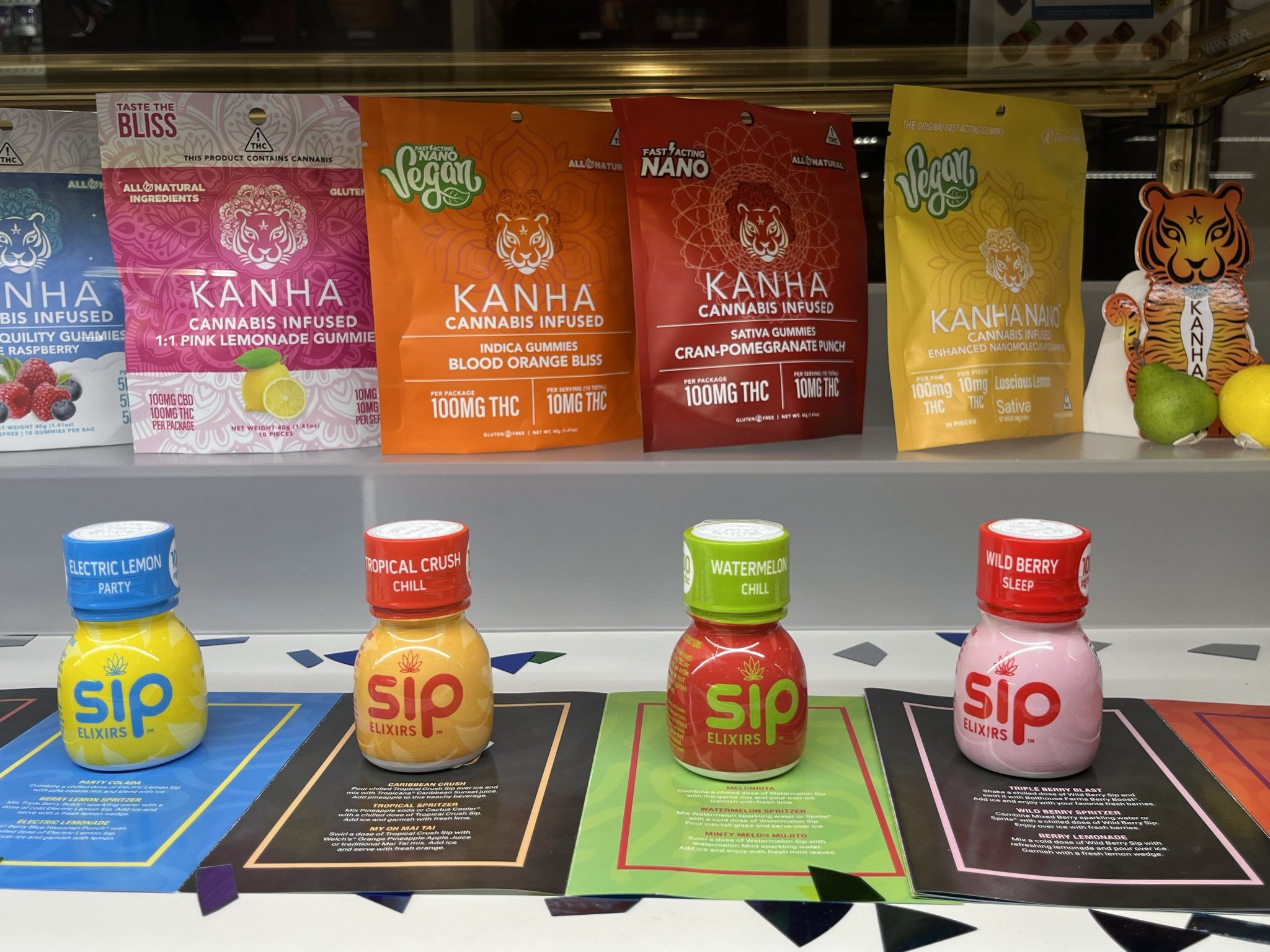
There have been times where cannabis products have been found to contain lower levels of THCthan what is advertised on the packaging. This issue primarily arises in unregulated or illicit markets where product quality control is lacking. However, it’s important to note that this problem is not exclusive to cannabis and can occur in various industries where product testing and regulations are insufficient.
Here are some key factors to consider:
Lack of Regulation: In regions where cannabis is still illegal or in early stages of legalization, there may be limited or no regulations in place to ensure accurate labeling and standardized testing of cannabis products. Without proper oversight, it becomes easier for manufacturers to misrepresent THC levels on their product packaging.
Testing Variability: Testing methodologies and laboratories can vary in accuracy and consistency. Different testing facilities may yield slightly different results due to variations in testing equipment, techniques, and quality control practices. This variability can contribute to discrepancies between advertised THC levels and actual levels in the products.
Sample Variability: Cannabis is a plant with natural variability in cannabinoid content. Different parts of the same plant or even different plants from the same strain can have variations in THC levels. This natural variability can also contribute to differences between advertised and actual THC levels in cannabis products.
Intentional Misrepresentation: In some cases, manufacturers may intentionally misrepresent THC levels to enhance the market appeal of their products. This can be done to attract more customers or to charge higher prices for seemingly higher potency products.
To mitigate these issues and ensure consumers have access to accurate and reliable information, it’s important to support regulated markets and purchase cannabis products from licensed dispensaries or reputable sources that adhere to established testing and labeling standards. In regulated markets, product testing is typically required, and licensed producers are obligated to provide accurate information about the THC content and other relevant cannabinoids.
Consumers can also educate themselves about reputable brands, check for third-party testing certifications, and consult with knowledgeable bud tenders or healthcare professionals to make informed decisions about their cannabis purchases.
It’s worth noting that as the legal cannabis industry continues to evolve and regulations become more stringent, the issue of inaccurate THC labeling is being addressed, and efforts are being made to ensure better consistency and accuracy in product labeling and testing.